ON THE POD THIS MONTH
OUT Now
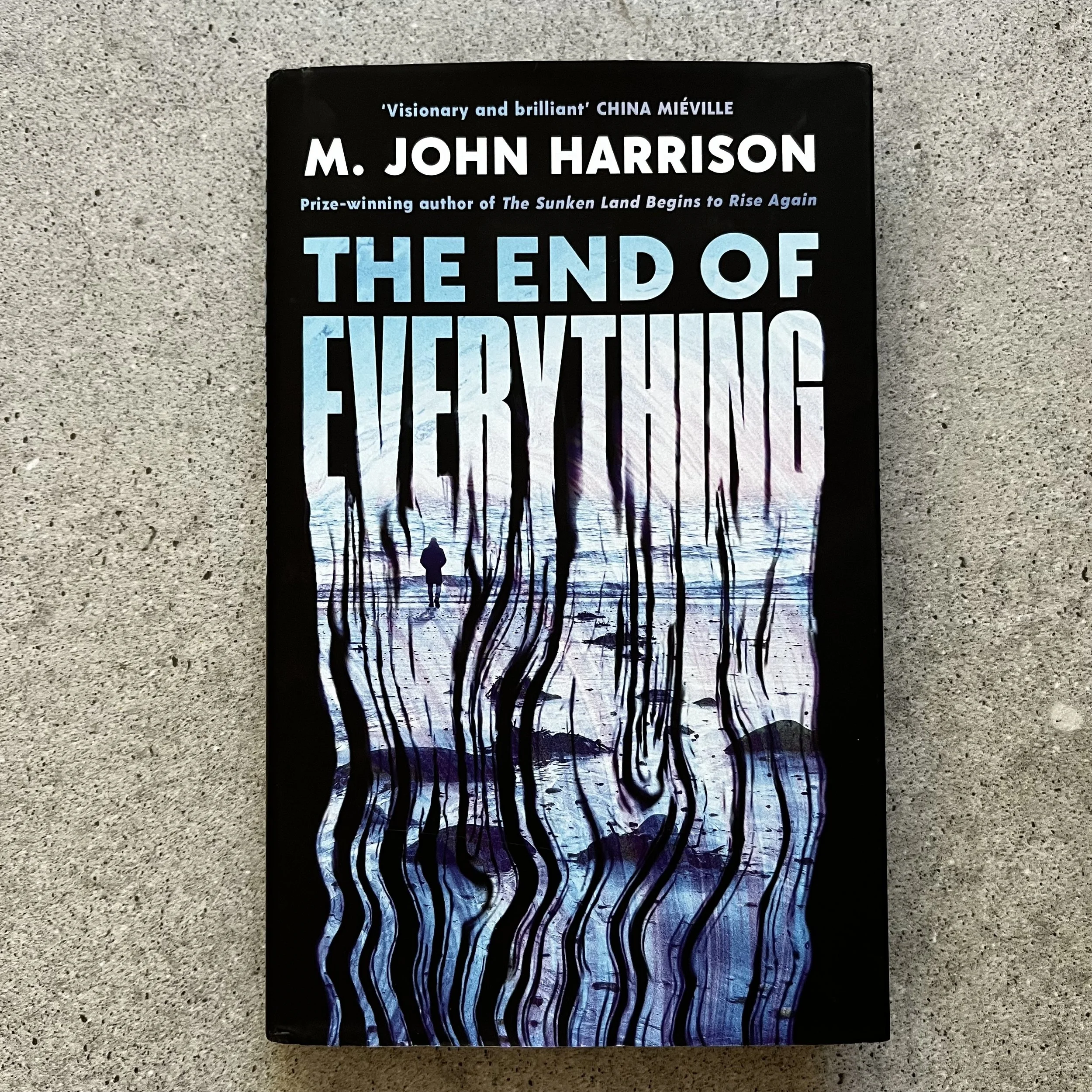
THE END OF EVERYTHING - M. JOHN HARRISON
Few writers have reshaped British speculative fiction as quietly, or as radically, as M. John Harrison. Over a career spanning more than five decades, he has dismantled genre tropes across science fiction, fantasy, and literary fiction—earning accolades from the Arthur C. Clarke Award to the Goldsmiths Prize. Hailed by writers including Olivia Laing and Robert MacFarlane as one of the most brilliant prose stylists alive today, his work is instantly recognisable. Beautifully strange, subversive and written with a poet’s economy.
Now, in his latest, Booker-longlisted novel The End of Everything, he confronts the corrosive and alien presence of capitalism in a world inexplicably unraveling. Refusing easy answers or heroic arcs, the reader is taken to an England where the disaster at hand is too vast, complex, and banal to fully articulate. A society where adaptation is the stuff of fiction and whose inhabitants can only think to keep going as an apocalypse of sorts rumbles on. It is eerily familiar stuff - a world unmoored from truth and made hostile by the reflex to exploit.
Upcoming Dates
October 9 Birmingham Literature Festival
October 18 Wimbledon BookFest
October 20 Manchester Literature Festival
PRAISE FOR THE END OF EVERYTHING
The New Statesman
‘M.John Harrison is the closest thing we have to a present-day Wyndham or Ballard.’
Simon Ings, The Telegraph
‘Harrison isn’t weirder than most other writers, just better. Reading The End of Everything, you feel you’re not so much reading as dreaming. Or, to put it another way, this novel is like a painting by Paul Nash, chalky, degreased and illumined. As Harrison himself says: by “a pure 1930s light, from an imagination stocked when people could use words like ‘spiritual’ and still mean something”.’
Niall Harrison, Locus Mag
‘Many of M. John Harrison’s previous novels warn about the fantastic as a consolation, and the risks of exceeding the appropriate prescription, and I think The End of Everything may also be read as a depiction of a world subject to overdose, where lives have been saturated by the unreal. There is a grain of ambiguous hope in one character’s declaration that it doesn’t matter that the world has ended, “because another one will be along soon enough,” but what I felt when the novel released me was more immediate. I felt the urge to go outside, to run around and shout, not to celebrate the novel’s brilliance (although I think it is brilliant), but simply to prove that, for now, something real still exists.’
UPCOMING
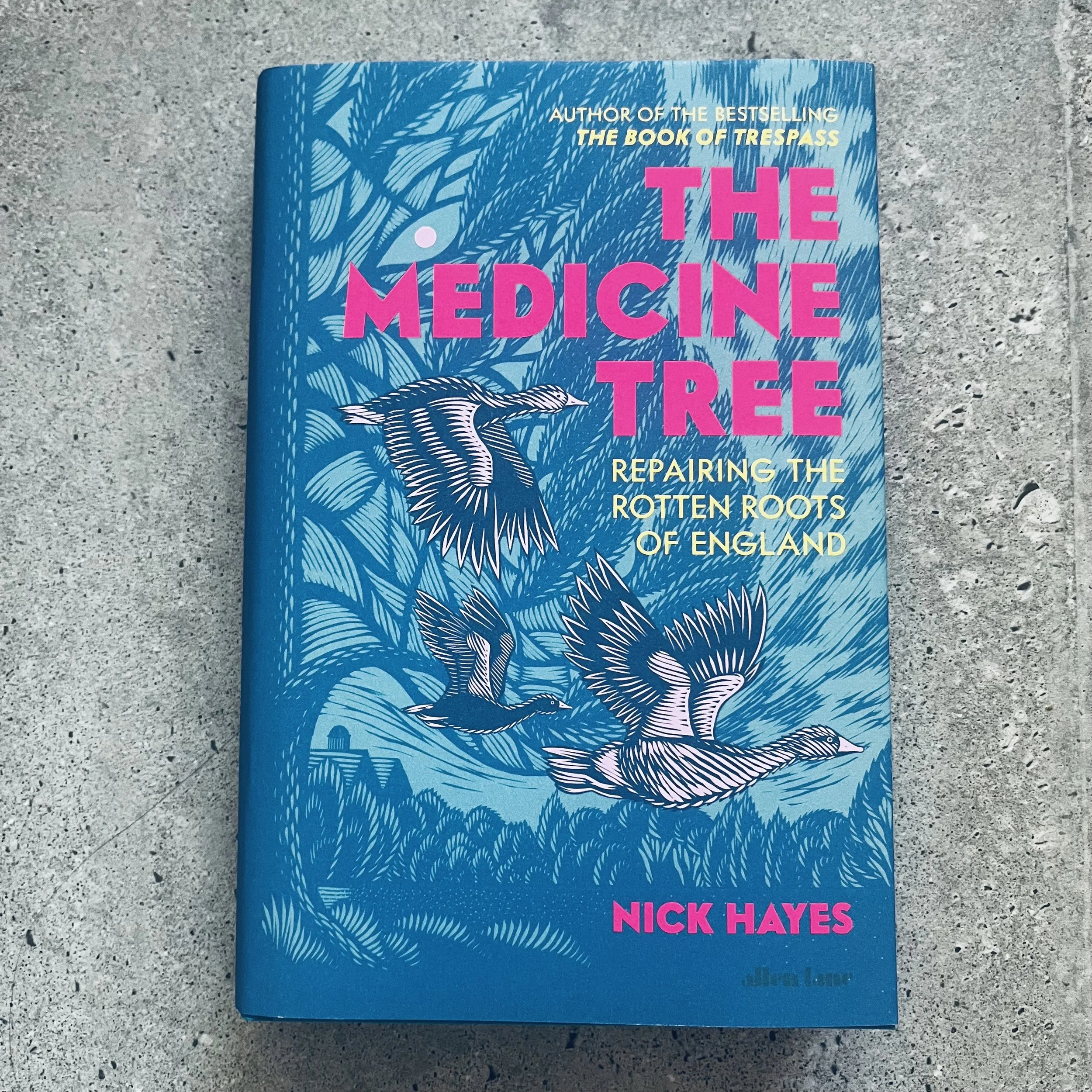
The MEdICINE TREE: Repairing the roots of rotten england
Available from Friday October 2nd.
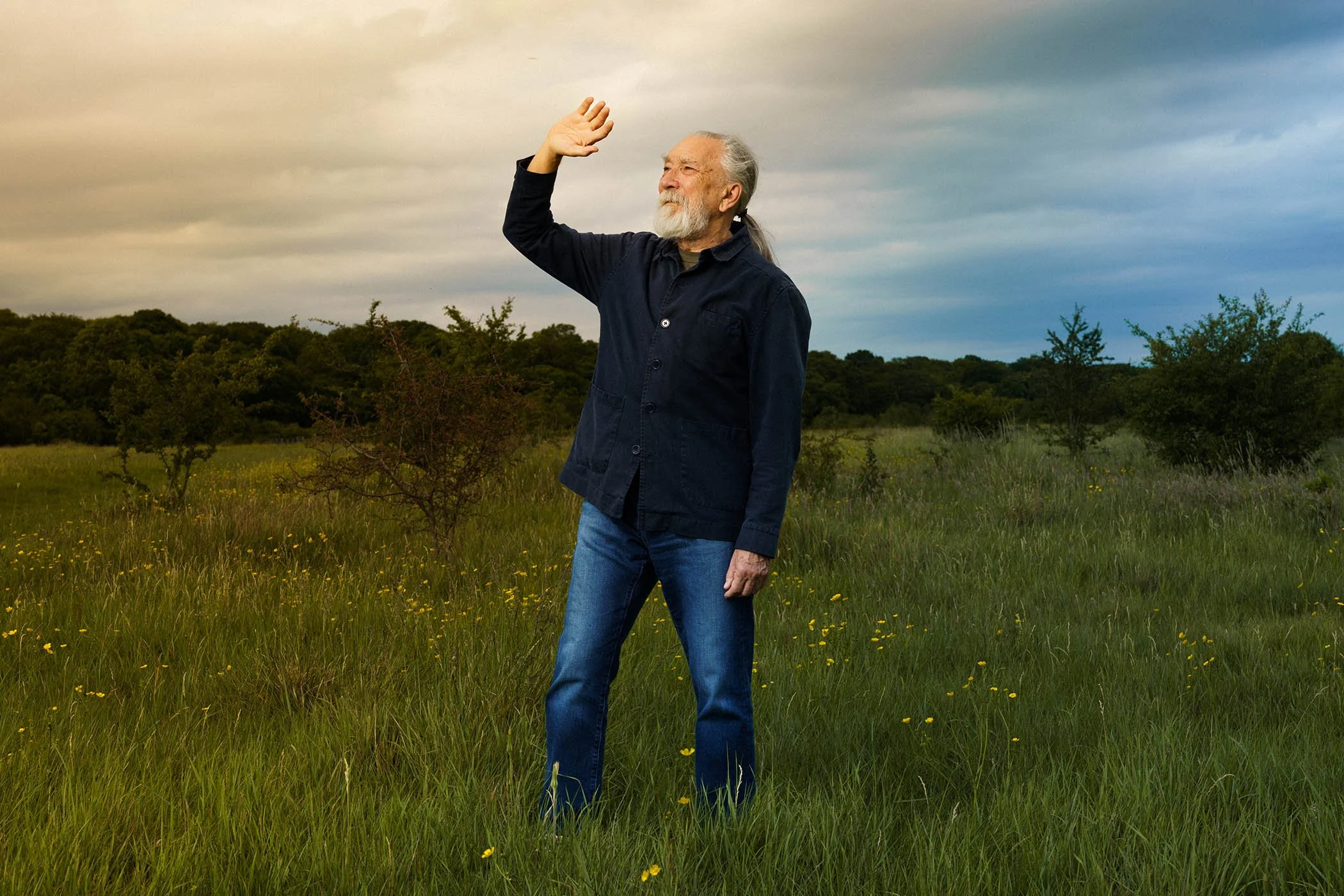
In his 2021 bestseller The Book of Trespass, Nick Hayes helped us jump the walls that keep us from the vast majority of the English countryside —exposing the way in which centuries of enclosure laws have walled off our land and rivers. The book brought new energy to the Right to Roam movement with its central challenge; to view the British landscape not merely as a set of postcard views, but as a living site of historical struggle, exclusion and democratic potential.
Now, in The Medicine Tree: Repairing the Rotten Roots of England, Nick turns his focus from who owns the land to what that system of ownership has done to us collectively. Tracing the connection between ecological destruction, private capital, and often-ignored colonial crimes, he sets out a vision for healing both soil and society. Refusing nostalgia, The Medicine Tree asks how we might mend an island poisoned by disavowal and division—inviting us to dismantle the boundaries, both physical and imagined, that keep us from a sense of belonging.
Praise for THE BOOK of tresspass
THE SUNDAY TIMES BESTSELLER
SHORTLISTED FOR THE CWA GOLD DAGGER FOR NON-FICTION 2021
SHORTLISTED FOR THE INDIE BOOK AWARD FOR NON-FICTION 2022
'Brilliant, passionate and political . . . The Book of Trespass will make you see landscapes differently' Robert Macfarlane
'A remarkable and truly radical work, loaded with resonant truths' George Monbiot
PRAISE FOR THE MEDICINE TREE
This book elegantly weaves between a diaristic account of nine months moored on the Thames and a sprawling, granular and global history of the politics and spirituality of land. Both Nick's accounts of the past and the contemporary are shot through with righteous anger but countered by his tender, visceral descriptions of the body within nature that makes the reader ache to swim naked and walk barefoot in the dew. Every chapter, based on the months from September to May, demonstrates Haye's profound attachment to community, and are a clarion call for the vital rediscovery, or invention, of an Albion kinship of the land and the rivers.-
Leah Gordon
Dazzling in scope, effervescing with insights, richly illustrated, lyrically written and fired by a yearning to remake England anew. Hayes has delved deep into our buried radical history and forgotten folklore and unearthed a treasure trove.
Guy Shrubsole